Sewage backup emergency: the first fifteen minutes
A sewage backup in a tub, shower or floor drain is an emergency because the water carries bacteria and cannot be used or ignored. The dispatch line is open 24/7 for Lynn Haven homes and shops, and calling early limits how far the water spreads. Until the plumber arrives, take these steps:
Stop all water
No flushing, no laundry, no dishwasher. Every gallon you send down the line has nowhere to go but out of the lowest drain.
Keep people out
Children, pets and anyone with open cuts should stay away from raw sewage on the floor. Wear boots and gloves if you must enter.
Leave chemicals alone
Do not pour drain cleaner into a main line backup. It will not reach the blockage and will splash on the plumber who opens the pipe.
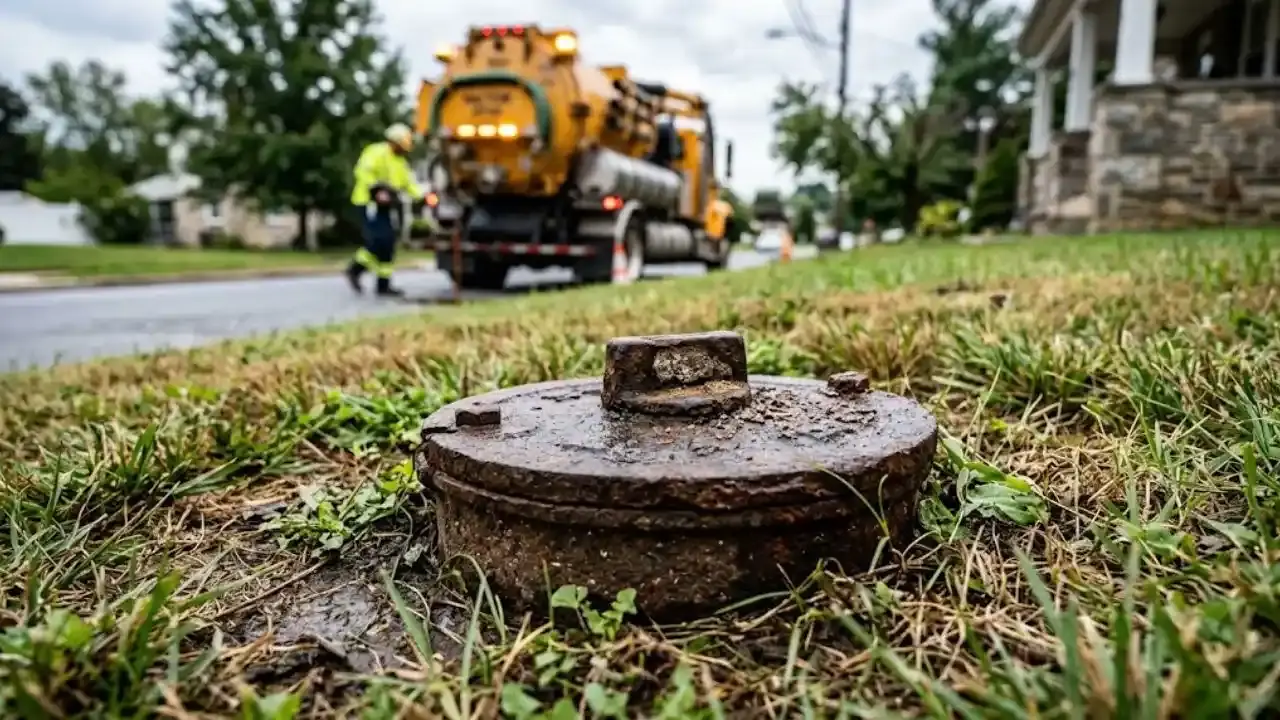
Open the cleanout cap carefully
If you know where the capped pipe outside sits, mention it to the dispatcher. Do not open it yourself if the line is under pressure.
Main line, branch line or the city sewer?
The first job is to learn where the blockage sits. A branch line serves one bathroom or the kitchen, while the main sewer line carries everything from the house to the street. A blockage in the city main can look the same from inside.
| Clue | Points to | Next step |
|---|---|---|
| Only the shower backs up. | Branch line | Standard drain cleaning. |
| Toilet flush bubbles in the tub. | Main sewer line. | Cable machine at the cleanout. |
| Cleanout outside is full. | Blockage past the house. | Cable or jet, then camera. |
| Neighbors report the same thing. | Possible city main. | Contact the Lynn Haven Public Utilities Department. |
| Backups follow heavy rain. | Infiltration or roots. | Camera inspection of the lateral. |
Main line backing up now?
Call the 24/7 line, say which drains are overflowing, and book the next available main line clearing.
Why storms and old pipe cause backups here
Heavy rain is a known factor in this city. In October 2021 a Florida DEP report described a spill of about 500,000 gallons of raw sewage at 12th Street and Virginia Avenue after a week of heavy rain. The city's utility director said stormwater was getting into the gravity sewer system. If your backup follows a storm, say so on the call, because the cause may be groundwater entering at a joint rather than a household clog.
Roots do the same thing on a small scale. Hair-thin roots enter through a joint or crack, catch paper and grease, and form a net that stops flow. Cast iron and clay sections suffer most, while PVC fails at glued joints and offsets.
How the plumber clears the main line
Locate the cleanout
The plumber checks the capped pipe outside the house. If none exists, a toilet is pulled or a roof vent used.
Run the cable
A drum machine with a cutting head breaks through grease, wipes and root fibers and measures how far the line runs.
Jet if needed
For heavy buildup, a hydro jet flushes the wall clean. See hydro jetting for how that works.
Scope the line
A camera checks for cracks, offsets and belly sections. The plumber explains what was found and what it means.
Test the flow
Water is run through the house until every fixture drains freely and the cleanout stays empty.
A camera pass is especially useful when cleaning was done twice in a season. Details are on the sewer camera inspection page.
What affects sewer cleaning cost
The cost of clearing a main line varies with the factors below:
- Access: an exterior cleanout is quick, while pulling a toilet adds time.
- Length and depth of the line, and how far the blockage sits.
- Cable machine alone or with a hydro jet.
- Camera inspection afterward.
- After-hours or weekend dispatch.
Insurance may cover water damage from a sudden backup but usually not the pipe wear that caused it, so check your policy or ask your agent about sewer backup coverage. For your own number, call the 24/7 line and describe the backup.
Keeping the line clear afterward
- Flush only toilet paper and human waste, never wipes marked flushable.
- Collect cooking grease in a can and throw it away.
- Avoid planting trees directly over the sewer lateral.
- Call Sunshine 811 before digging, fencing or planting near the line.
- Ask for a camera look if you have cleared the line more than once a year.
What to do before the plumber arrives
- Stop using water in the house. Every flush and shower adds to the backup.
- Keep children and pets away from floor drains and any sewage on the floor.
- Do not pour chemical drain cleaner into a backed-up line, because it stays in the pipe and burns skin.
- Wear gloves and boots if you must walk through wet areas, and wash well afterward.
- Take photos for your insurer and call right away if sewage reaches finished floors.
Frequently asked questions
Yes. Sewer line cleaning calls are answered 24/7 and a licensed plumber is dispatched the same day or night when available. Describe where the sewage is coming up and mention any standing water near outlets.
Small spills on a hard floor can be handled with gloves, boots and disinfectant, but sewage soaking into carpet or drywall needs professional cleanup. Keep children and pets out until the line is clear.
It is usually a capped pipe three or four inches wide near the house, in the yard or along the foundation. If you cannot find one, the plumber can use a toilet or roof vent.
It can be. If neighbors also have problems or the cleanout outside is full, ask the plumber whether a camera can show the lateral is clear, and contact the Lynn Haven Public Utilities Department about the city main.
A septic home has a line from the house to the tank, which can clog like any sewer pipe. Some nearby homes in Southport use septic and others use sewer, so tell the dispatcher which you have.
No. Cleaning removes roots from inside the pipe, but they grow back through the same opening. A camera finds the entry point so a lasting fix can be priced.